
Overview
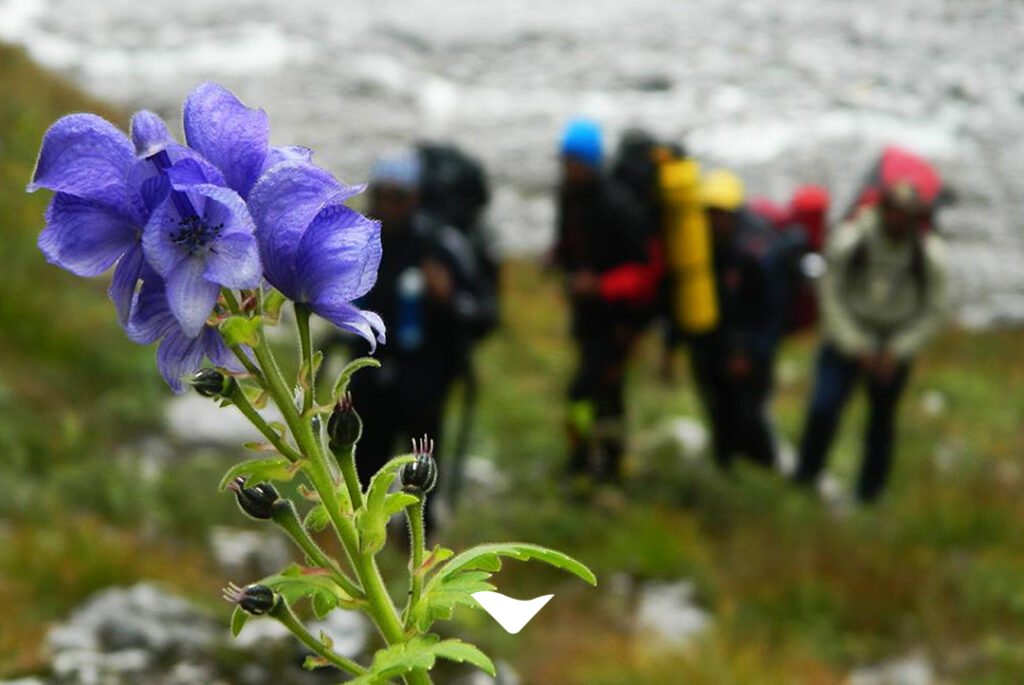
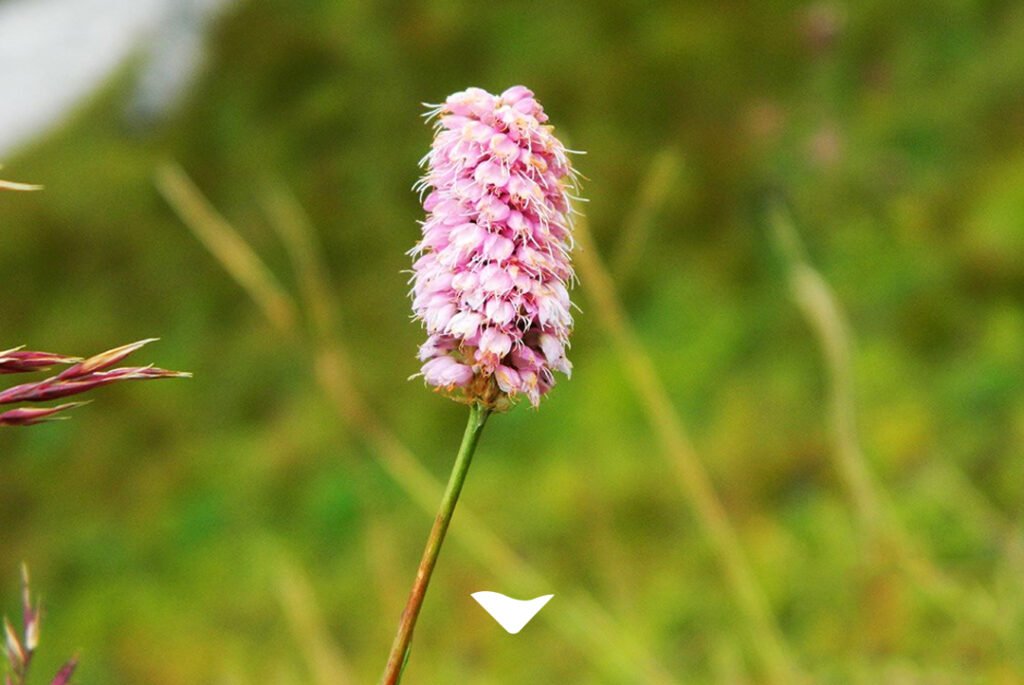
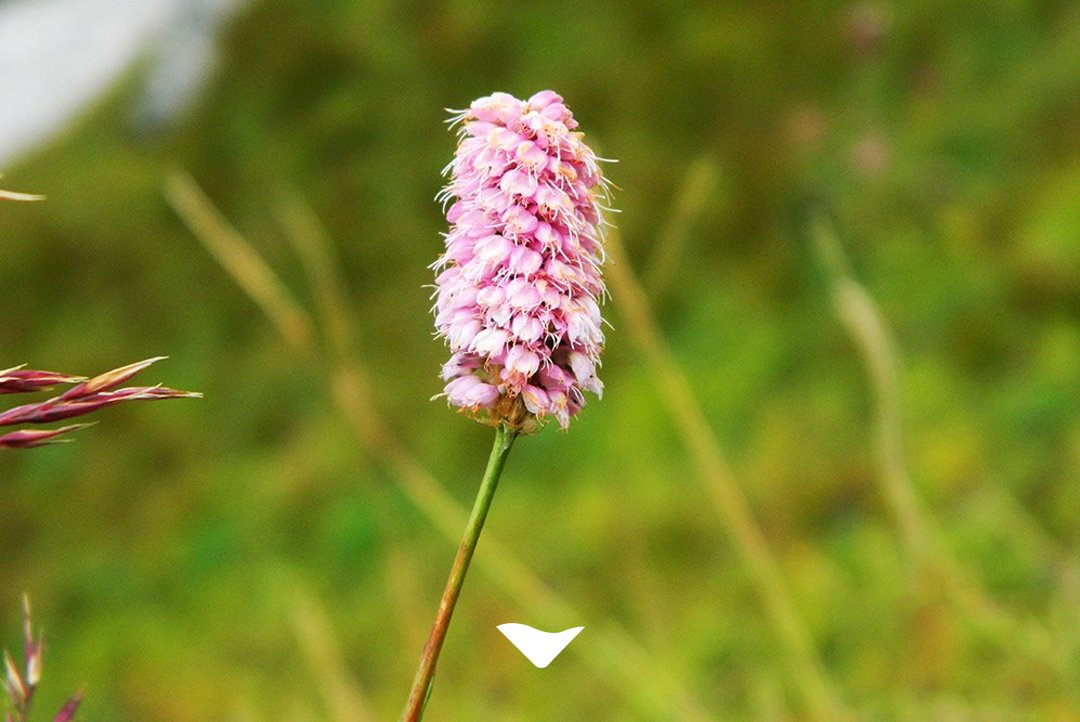
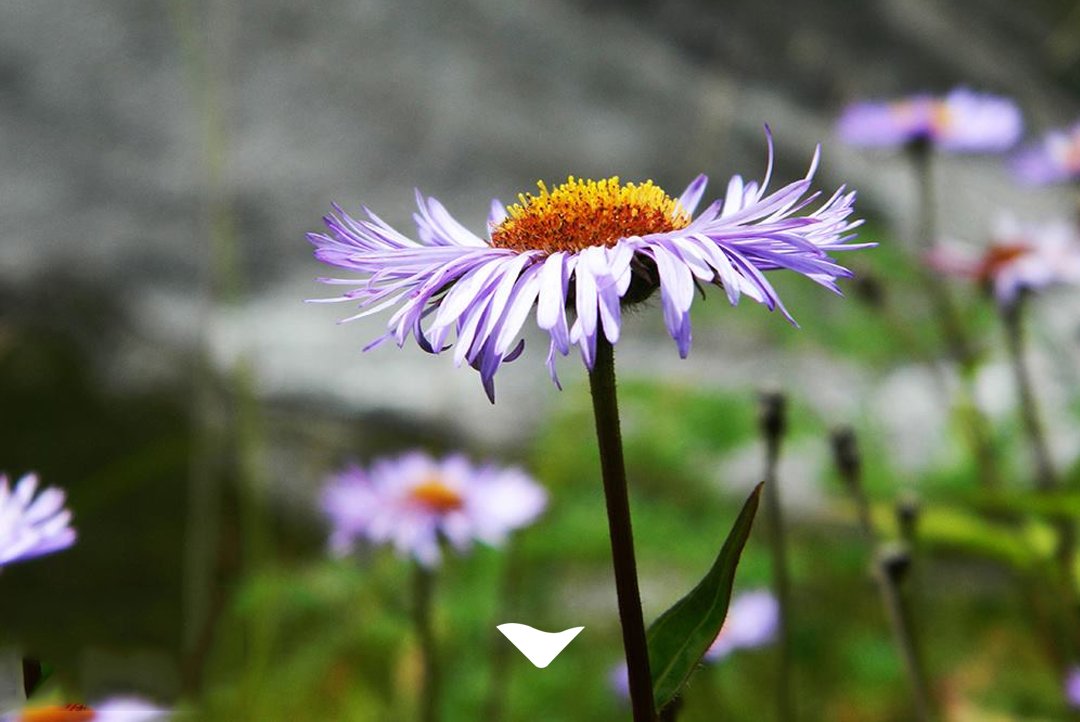
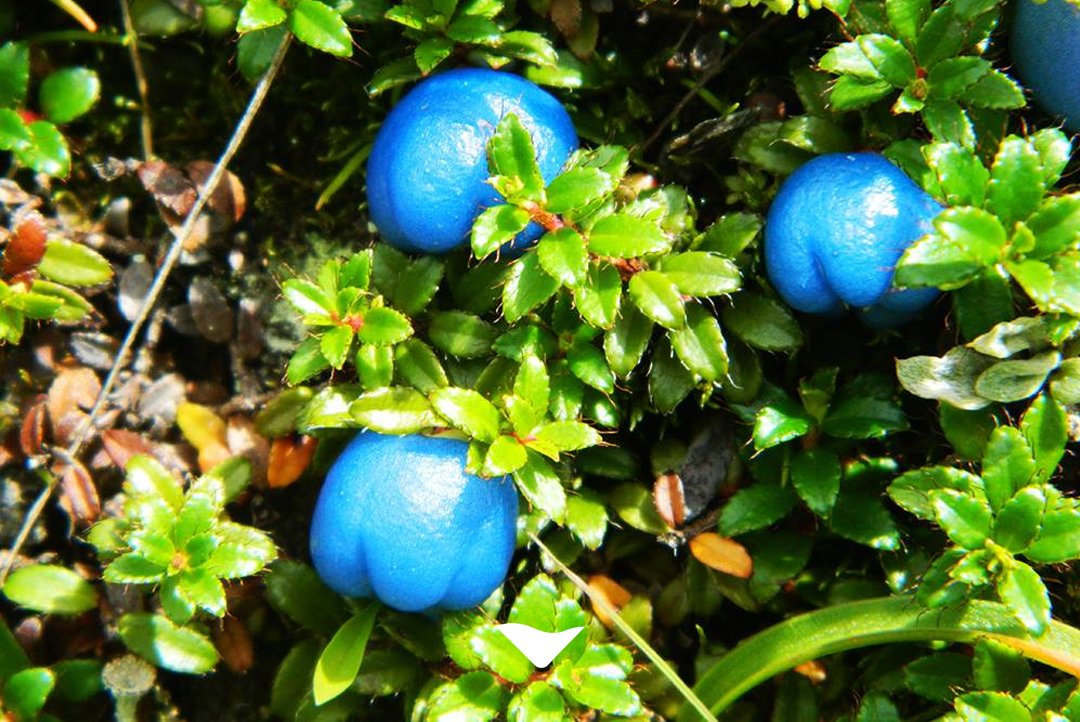
Nestled high in the Western Himalayas of Uttarakhand, the Valley of Flowers is a breathtaking alpine meadow renowned for its vibrant display of wildflowers that bloom every monsoon. Declared a UNESCO World Heritage Site, this valley transforms into a natural paradise between July and August, with over 500 species of flora carpeting the landscape in surreal colors.
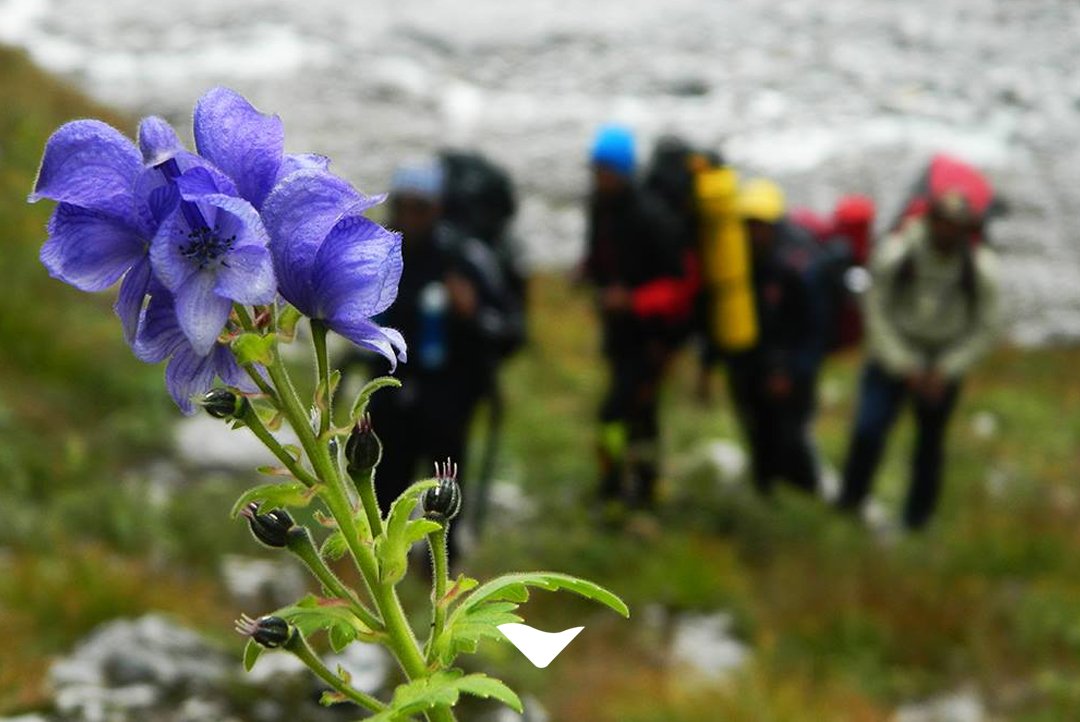
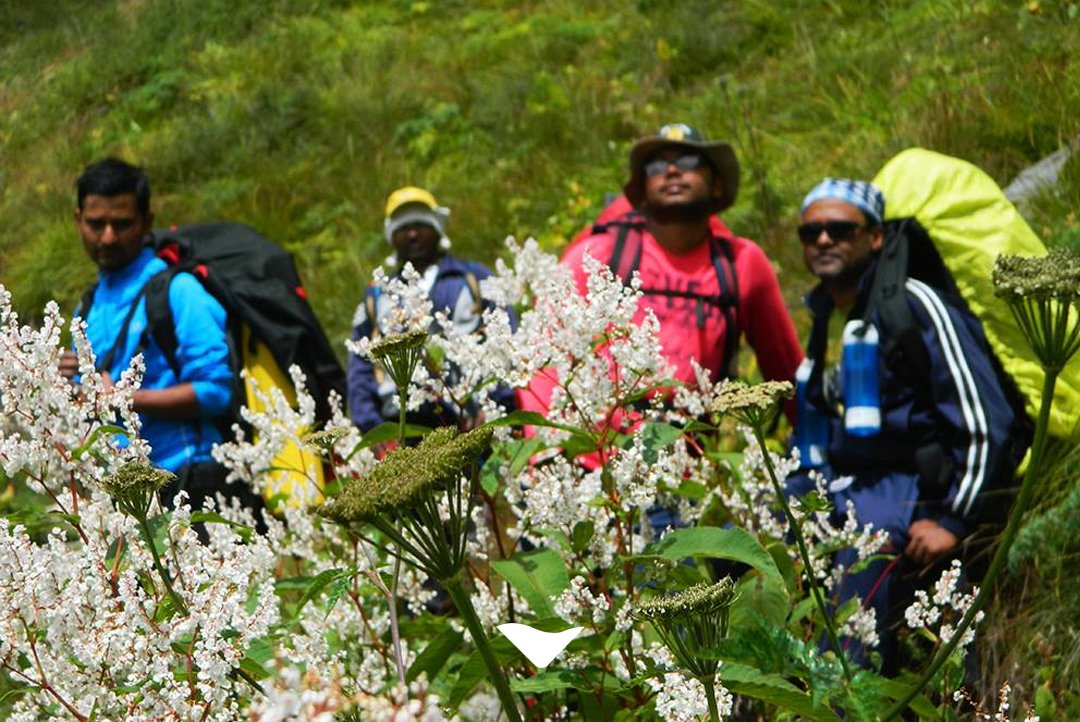
The trek takes you through lush forests, glacial streams, quaint villages, and into the heart of the Nanda Devi Biosphere Reserve. At an altitude of around 14,000 ft, it offers a perfect blend of natural beauty, spiritual depth, and moderate adventure, making it ideal for beginners and seasoned trekkers alike.
The trail also includes a visit to Hemkund Sahib, one of the world’s highest gurudwaras, adding a sacred dimension to this already magical journey.
Whether you’re a nature lover, a photography enthusiast, or someone seeking a soulful escape — the Valley of Flowers Trek is an unforgettable experience that reconnects you with the raw beauty of the Himalayas.
Itinerary
Day 1: Pick up from Rishikesh
Pick up from Rishikesh and drive to Joshimath by Tempo Travellers or Bolero Taxi (288km) (10/11 hours). Overnight stay at Hotel.
Day 02: Drive from Joshimath to Govindghat and Trek to Ghangaria
After breakfast – from Joshimath to Govindghat by taxi (18km) Same day trek to Ghangaria (09 km) (5/6 Hrs) (3078Mt). Overnight stay at Hotel.
Day 03: Ghangaria to Valley of Flowers and back to Ghangaria
After breakfast – from Ghangaria to Valley of flowers (10/12km) with pack lunch. Spend 5/6 hrs in the beautiful valley. Round Trek back to hotel.
Day 04: Ghangaria to Hemkund Saheb and back to Ghangaria
After breakfast- from Ghangaria to Hemkund Sahib Ji by trek (06km) (4/5hrs) (4400Mt) back to Hotel in Gangharia (6 km) 3/4 hours).
Day 05: Ghangaria to Govindghat trek and drive to Joshimath
After breakfast- from Ghangaria to Govindghat by trek (09 km) Same day Drive to Joshimath (28km) overnight stay in hotel.
Day 06: Joshimath to Rishikesh
After breakfast – from Joshimath to Rishikesh (288 km) (10/11hrs) drive.
Inclusions
1. Transport from Rishikesh to Rishikesh – Tempo Travellers or Bolero Taxi
2. Forest Permit and entrance fee.
3. Accommodation in Hotel Twin/three/four Sharing – Joshimath or Ghangaria
4. Breakfast, Lunch, Day Pack, Evening Snacks, and Dinner
5. Radio Walkie Talkie for Communication
6. Good Experience Local Guide- Trek Leader
7. Medical Kit
8. Oxygen Cylinders
Exclusions
1. Any expense arising out of unforeseen circumstance like bus delays,
roadblocks, landslides, etc.
2. Medical Evacuation.
3. Insurance Cover
4. Beverages like mineral water, soft drinks etc.
5. Any other expense not mentioned under ‘Package Inclusions’
6. Food in transit.
7. If due to some reason the road gets closed while going from Rishikesh to
Joshimath, then all the expenses of the stay or food on the way will be on the
Trekkers.
8. Offloading Costs per bag per one way Rs. 500/- Pulna to Ghangaria and same last day (both way Total Rs. 1000/-)
9. If you are a foreigner, the permit costs per person per day Rs. 300 you have to pay extra
Preparation Guide
Physical Fitness
Engage in regular cardiovascular exercises like hiking, jogging, or cycling to build stamina and endurance.
Incorporate strength training exercises to strengthen leg muscles and core stability.
Practice hiking with a loaded backpack to simulate trekking conditions.
Altitude Acclimatization
- Plan for at least a day or two of acclimatization in Sonmarg or nearby areas before starting the trek.
- Stay hydrated and avoid alcohol and smoking to minimize the risk of altitude sickness.
- Ascend gradually and listen to your body’s signals to recognize symptoms of altitude sickness.
Packing Essentials
- Clothing: Pack lightweight, moisture-wicking clothing suitable for layering, including thermal innerwear, fleece jackets, waterproof and windproof outer layers, trekking pants, and woolen socks.
- Footwear: Invest in sturdy, well-fitted trekking boots with ankle support and good traction.
- Gear: Bring a comfortable backpack with padded shoulder straps, a rain cover, trekking poles, a sleeping bag rated for low temperatures, a lightweight tent or shelter, a headlamp or flashlight with extra batteries, a multi-tool or knife, and a first aid kit.
- Accessories: Carry a wide-brimmed hat or cap, sunglasses with UV protection, sunscreen, lip balm with SPF, a water bottle or hydration pack, water purification tablets or filter, quick-drying towel, and toiletries.
- Personal Items: Don’t forget essentials like identification documents, permits, cash, camera or smartphone for capturing memories, and any prescribed medications
Mental Preparation
- Familiarize yourself with the trekking route, terrain, and weather conditions to mentally prepare for the challenges ahead.
- Maintain a positive attitude, stay motivated, and be adaptable to changes in the itinerary or weather conditions.
- Embrace the spirit of adventure, connect with nature, and cherish the journey as an opportunity for self-discovery and personal growth.
Safety Measures
- Stay informed about weather forecasts and trail conditions before and during the trek.
- Follow the guidance of experienced trekking guides and adhere to safety protocols at all times.
- Stay together as a group, avoid straying off the designated trail, and be mindful of potential hazards like loose rocks, steep cliffs, or slippery surfaces.
- Keep emergency contact information handy and communicate regularly with your trekking companions and support staff.